Introduction to AI: The definition, history, and application of artificial intelligence in today's world.
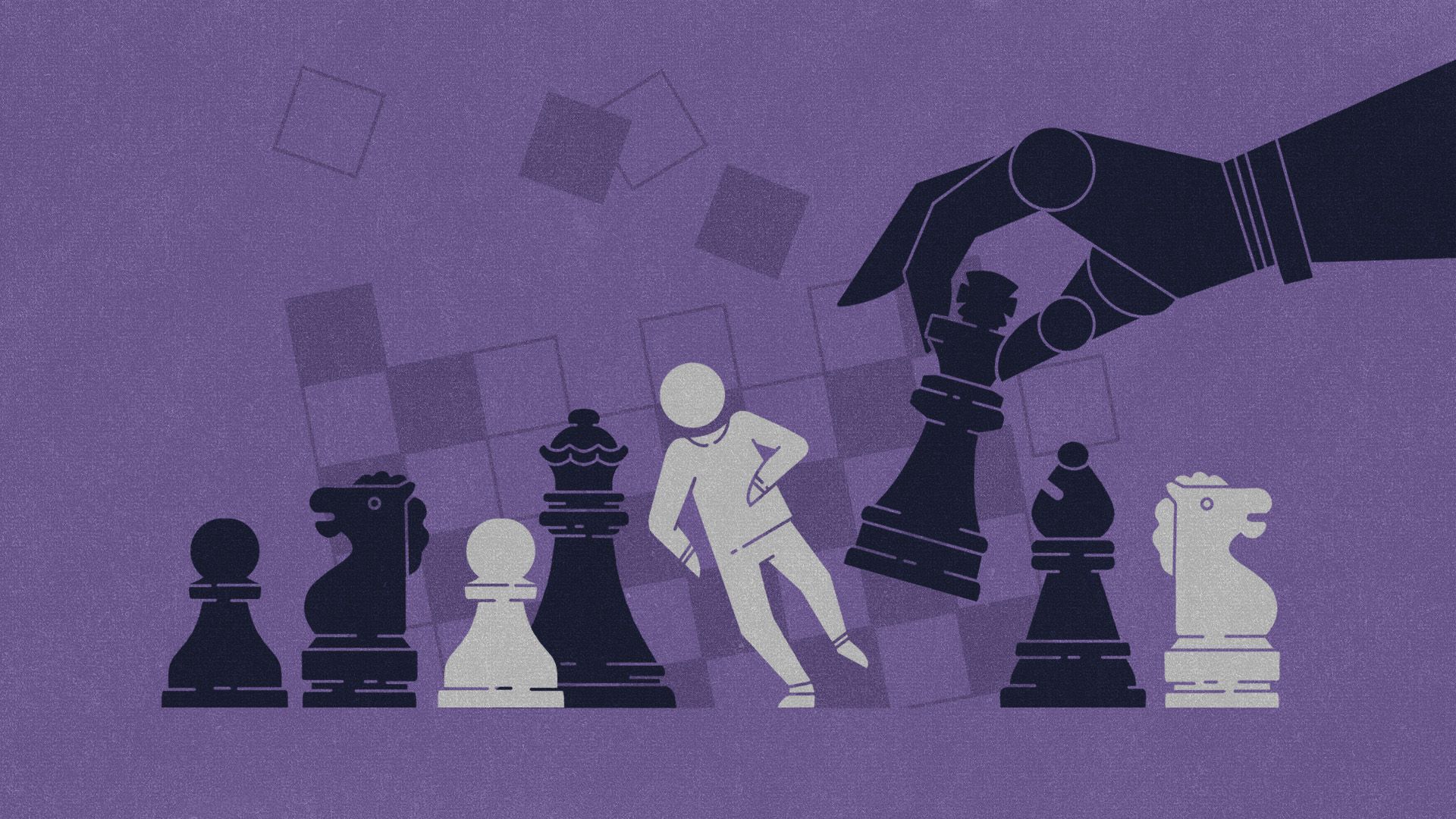
Artificial Intelligence, or AI, is a term that has gained tremendous popularity in recent years. Especially after the fall of 2022 when ChatGPT launched its AI chatbot assistant which is capable of writing pages long essays and even coding. The term AI itself is a branch of computer science that focuses on developing computer systems that can perform tasks that usually require human intelligence, such as learning, problem-solving, and decision-making. In this blog post, we will explore the definition, history, and applications of AI in today's world.
Definition of Artificial Intelligence
AI is defined as the simulation of human intelligence in machines that are programmed to think and act like humans. This includes natural language processing, image recognition, and decision-making. AI can be further categorized into narrow or weak AI, which is designed to perform a specific task, and general or strong AI, which can perform any intellectual task that a human can. The second of the two opened many doors for future exploration regarding various industries and researchers are keen to learn more.

History of Artificial Intelligence
The concept of AI has been around for centuries, but the modern era of AI began in the 1950s. John McCarthy coined the term "Artificial Intelligence" in 1956, and since then, researchers have made significant advancements in the field. In the 1960s and 1970s, they developed rule-based expert systems, which were designed to solve problems by applying a set of rules to a set of data. In the 1980s and 1990s, machine learning algorithms were established that could learn from data without being explicitly programmed. IBM's Deep Blue made history in 1997 when it became the first machine to beat a reigning world chess champion. The scientists leading this project had been interested in programming a computer to play chess since the late 1940s. It took years for engineers and computer scientists to perfect the artificial intelligence program that would one day beat a world champion. The Deep Blue was able to search up to 200 million options per second, depending on the pawns' position on the chessboard. In the 2000s, deep learning algorithms appeared which could learn from massive amounts of data, resulting in significant AI performance improvements that led to today’s advancements and set the tone for the future ones.
Applications of Artificial Intelligence
AI has various applications supporting numerous industries. Some of the most common applications include:
- Healthcare: AI develops personalized treatment plans, diagnoses diseases, and analyzes medical images.
- Finance: AI detects fraudulent transactions, manages investments, and predicts market trends.
- Transportation: In this field, AI develops autonomous vehicles, optimizes routes, and manages traffic.
- Customer Service: AI is being used in customer service to develop chatbots and virtual assistants that can answer customer questions and provide support.
- Education: AI develops personalized learning plans and provides real-time feedback to students.
Conclusion
In conclusion, AI is a rapidly evolving field that has the potential to revolutionize the way we live and work. AI is used in multiple industries, from healthcare and finance to transportation and education. As AI technology continues to develop, it will be interesting to see what will be the new advancement. In our following articles, we’ll talk about these future opportunities more and dive deeper into their application in the IT segment.