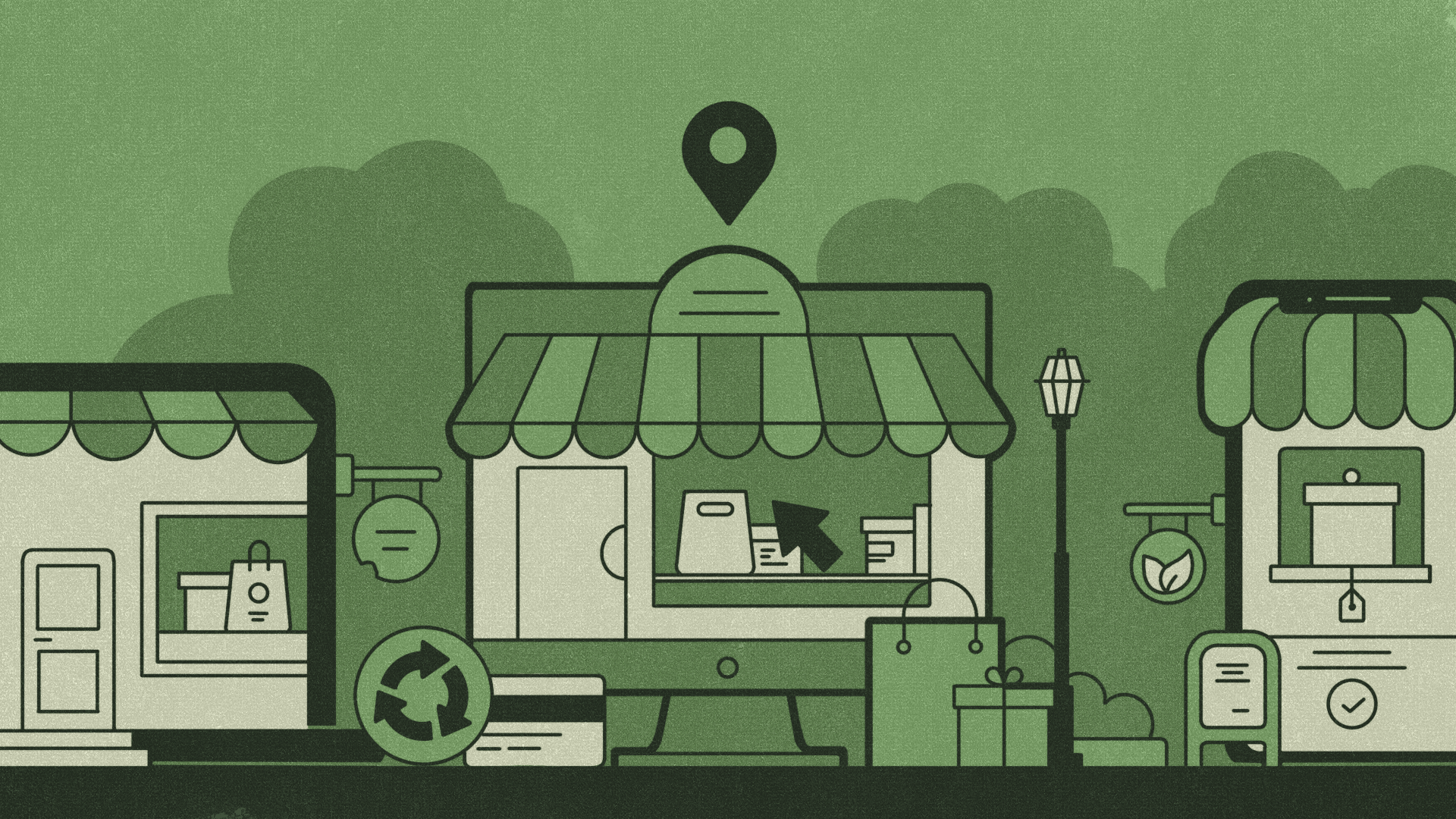
The relationship between e-commerce and sustainability is often highlighted as more people realize the link between business activities and environmental sustainability. The significant growth of online commerce has opened up new opportunities for promoting sustainable development. In this blog post, we will explore how e-commerce contributes to environmental protection and sustainability.
I. Sustainable Advantages of E-commerce
E-commerce offers several sustainability advantages that differentiate it from traditional retail methods.
Reduced environmental footprint: Online retailing reduces the need for building and maintaining traditional brick-and-mortar stores, thereby reducing the burden on the environment. Additionally, e-commerce enables goods to be delivered directly to the consumers, eliminating long supply chains and unnecessary intermediaries.
More energy-efficient transportation and packaging: In online purchases, goods are mostly sourced from centralized warehouses or logistics centers, where they are packed and transported more efficiently to consumers. This reduces the amount of required fuel and the number of involved vehicles, resulting in lower emissions.
Less product surplus and food waste: Online sales facilitate better inventory management by accurately estimating demand based on purchase data and automated systems. This minimizes products, especially food, waste, and associated losses.
Transparency and awareness: E-commerce platforms provide easy access to data and information about the origin, manufacturing processes, and ecological footprints of products. This helps consumers make more sustainable choices.
II. The Role of E-commerce in Promoting Conscious Buying Decisions
E-commerce not only brings sustainability benefits but also contributes to promoting conscious buying decisions.
Informed consumers: Online platforms allow consumers to easily access detailed product information, feedback, and reviews. This helps consumers understand the sustainability impact of the products they purchase beforehand.
Wide range of sustainable products: E-commerce platforms offer a diverse selection of sustainable products that meet environmental criteria and adhere to stricter quality and ethical standards.
Sustainable campaigns and information flow: E-commerce platforms facilitate the sharing of information and campaigns related to sustainable lifestyles. This raises awareness among consumers about conscious buying habits and the benefits of a sustainable lifestyle.
III. Sustainability Initiatives in E-commerce Companies

E-commerce companies are increasingly focusing on sustainability and demonstrating commitment to environmental and social responsibility. The following are some key initiatives they have implemented to promote sustainability. These initiatives reflect industry innovation and serve as examples for companies striving for positive change.
1. Green Packaging and Recyclable Materials: More e-commerce companies are recognizing the importance of packaging in sustainability. They employ recyclable and environmentally friendly packaging materials, minimizing waste and environmental impact.
2. Sustainable Energy Sources and Energy Efficiency: E-commerce companies are striving for more sustainable energy sources, such as solar or wind power. They also pay special attention to energy efficiency in logistics and warehousing.
3. Support for Social and Environmental Initiatives: Many e-commerce companies support various social and environmental initiatives. They donate to charitable organizations, participate in community actions, and contribute to sustainability projects.
IV. Successful Examples of E-commerce Sustainability Commitment
In the realm of e-commerce, numerous companies have taken noteworthy steps to promote sustainability. Here are a few successful examples that highlight companies' commitment and innovative solutions in sustainable e-commerce practices. These examples can serve as inspiration for other companies and consumers to encourage more sustainable and environmentally friendly choices in online shopping.
1. Patagonia: Patagonia is known for its commitment to ethical manufacturing and sustainability. They produce their products from durable and high-quality materials for longer lifespans, minimizing product replacements and waste. They also emphasize corporate transparency and customer feedback to foster more sustainable consumer decisions.
2. Zara: Zara has launched initiatives that reduce their own environmental impact. They introduced clothing collections made from recycled materials, which environmentally responsibly repurpose waste materials. Additionally, Zara focuses on waste reduction and water and energy efficiency in their manufacturing processes.
3. Loop: Loop is an online platform that enables the sale of packaging-free products. Through Loop, customers can purchase products that arrive in environmentally friendly reusable packaging. This reduces single-use packaging waste. Loop also offers a refill system, allowing consumers to return and refill used products.
V. The Role of Consumers in E-commerce Sustainability
The sustainability of e-commerce relies not only on companies and trading platforms but also on consumers' important role. Consumer habits and choices have an impact on environmental footprint and the spread of more sustainable practices. Here are some tips and recommendations that can assist consumers in making more sustainable e-commerce decisions.
1. Conscious Shopping: Conduct thorough research on the ecological footprint and sustainability of products before purchasing. Consider the manufacturing processes and their environmental impact.
2. Product Lifecycle and Durability: Prioritize products with longer lifecycles and durability. Consider how long a product will last and whether it can be used for an extended period, minimizing the need for frequent replacements.
3. Alternative E-commerce Options: Instead of online shopping, consider visiting local stores and businesses. This supports the local economy and reduces shipping distances and associated environmental impacts.
Summary
E-commerce holds significant potential for sustainability. It offers substantial environmental benefits, such as reduced environmental footprint, more energy-efficient transportation, and decreased product surpluses. Companies are implementing an increasing number of sustainability initiatives, such as green packaging and sustainable energy use. As consumers, we can support these efforts and contribute to sustainable goals through informed and conscious purchasing decisions.